Have fun with mathematics
Meet other young math minds and enjoy a fun camp full of math talks, riddles, and games!
Math spring camp will take place 21-25 March 2027 in Seminarzentrum Raach, Austria.
Applications are now open. Deadline is December 15, 2026.

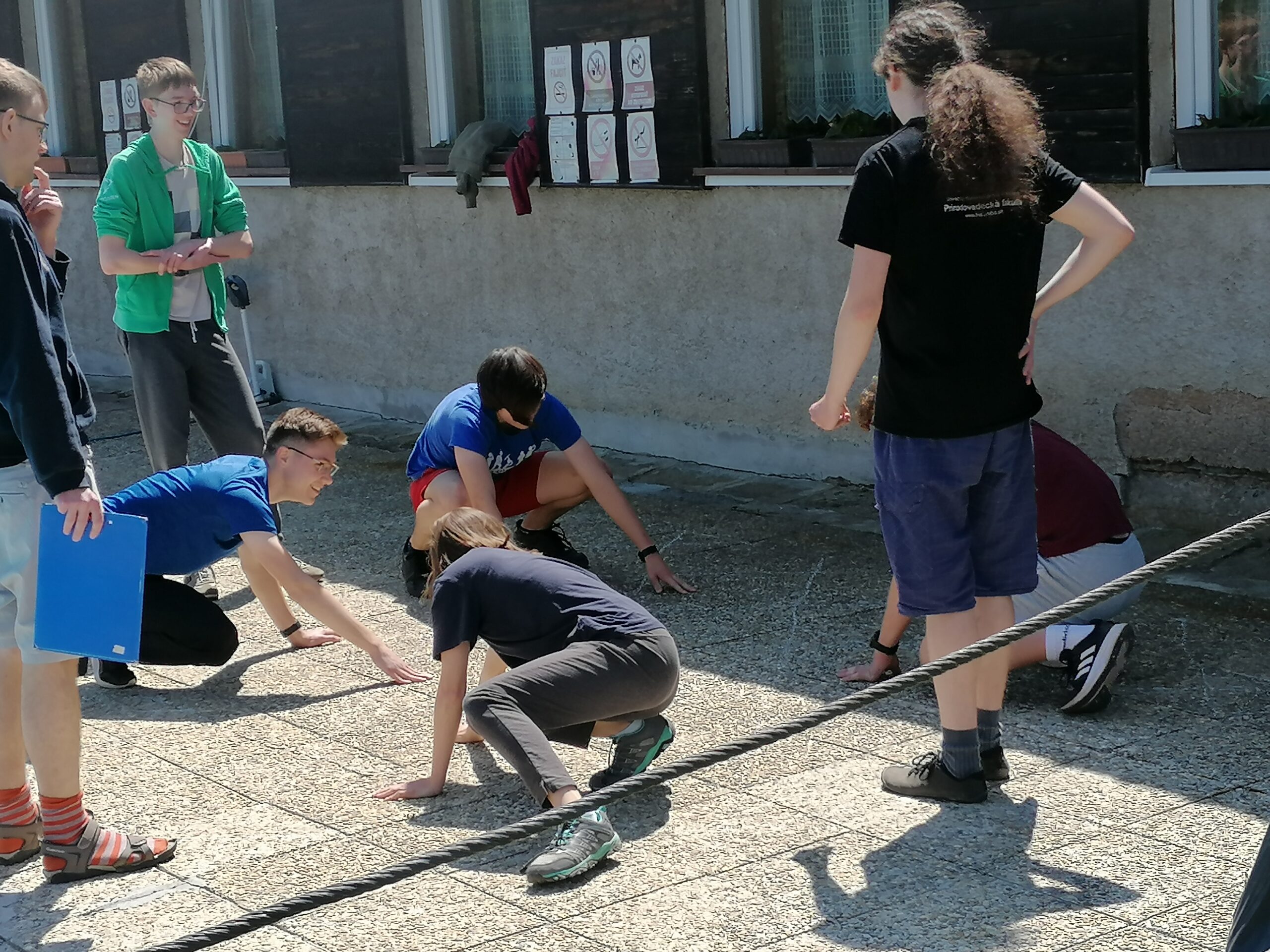
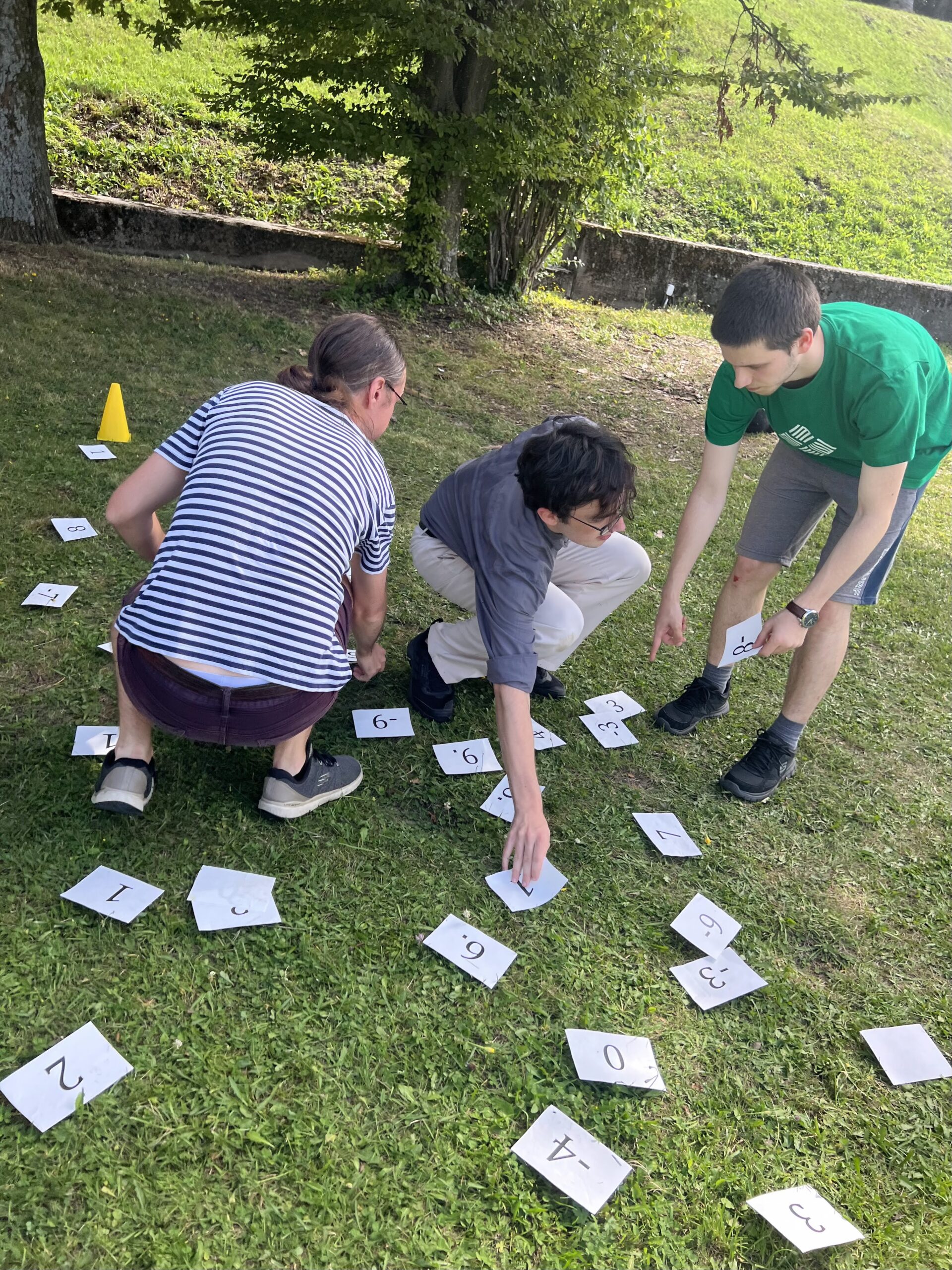
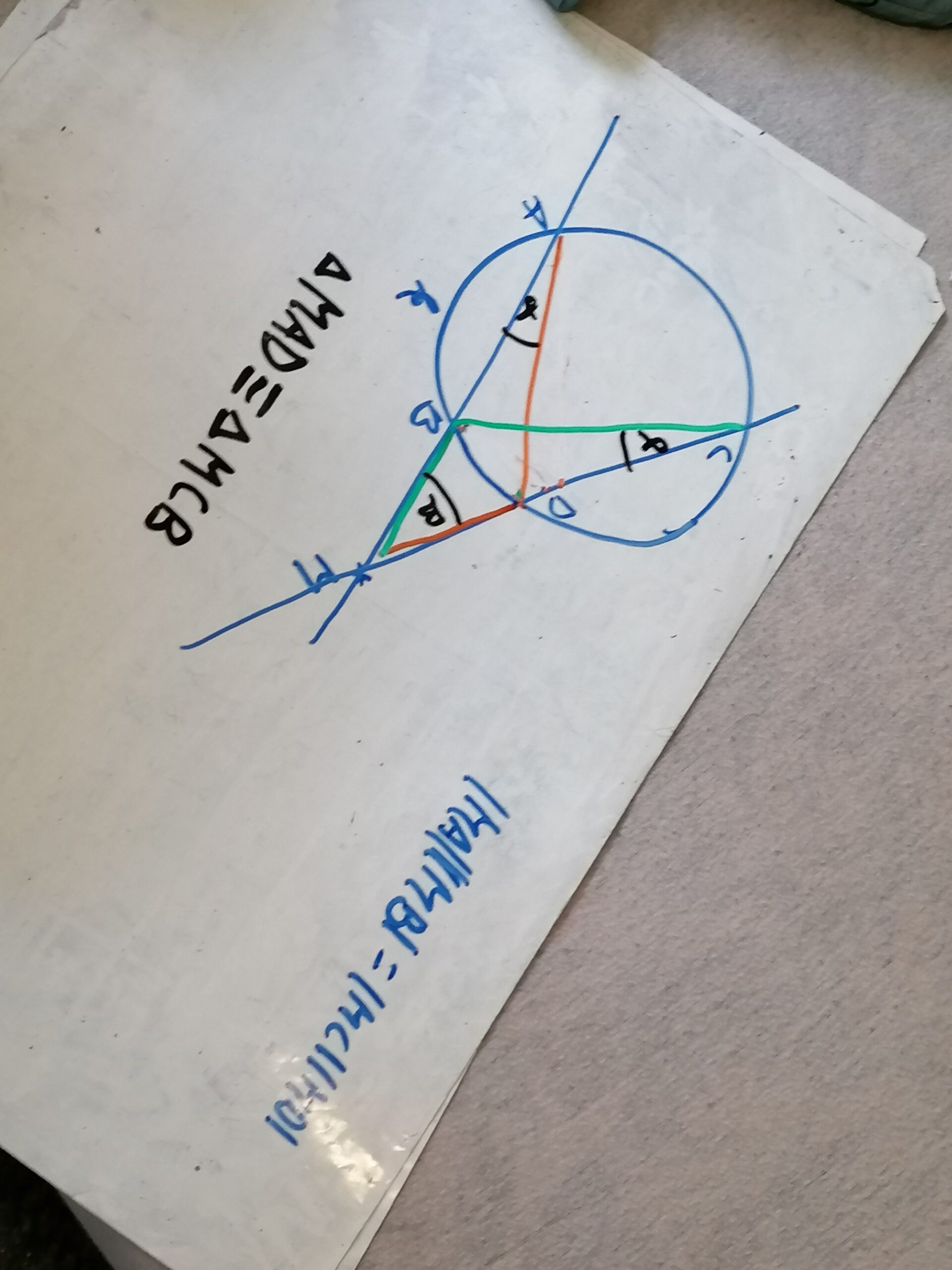
Learn from an international team of mathematicians through interactive and inspiring lectures.
Enjoy games that boost teamwork, strategy and problem-solving skills — or ones that are simply fun!
Connect with other enthusiasts and experience fun and mathematics together.
What is a math camp?
The camp will bring together high school students from Austria who share a passion for mathematics.
In the mornings, you’ll dive into two engaging math sessions on interesting, out-of-school topics, with a refreshing team sports break in between. The rest of the day is packed with a mix of games, riddles, and activities—some more mathematical like Náboj, others more creative, and focused on teamwork, strategy, or purely fun, both indoors and outdoors. Evenings offer a chance to connect with fellow math enthusiasts, chat, sing, play instruments, or board games.
It’s all about math, sharing your passion, and discovering that math can be a lot more engaging and fun than you usually see at school! 🙂
Who is it for?
The camp is for high school students aged 14-19 from across Austria who have a passion for mathematics.
No formal grades or school results are necessary—just curiosity and an open mind about mathematics.
How it all started...
Math camps have a long tradition in various parts of the world, including Czechia (PraSe), Slovakia (KMS), Poland (MBL), Hungary, Ukraine, UK (SAMI), and the USA (AwesomeMath). Many of us in the team have helped run these camps abroad and we noticed that Austria didn’t quite have such events yet.
So we decided to organize a math camp in Austria too, to bring together students who want to go beyond what is taught at school and explore mathematics in a fun, engaging, and collaborative environment.
Essential details
Date & location: 21-25 March 2027, Seminarzentrum Raach, Austria.
Who: Motivated Austrian high school students aged 14-19 and a team of 6-8 international instructors.
Camp language: English and German bilingual. Most of the sessions will be in English but German-speaking instructors will be around and ensure that nobody is left behind.
How to join: To join the camp, you need to apply; the application process is open as of 16 November 2026. If an application is successful, you will receive an e-mail with payment instructions. Once we receive your payment, you are officially registered for the camp.
Spaces are limited—apply now to secure your spot before we fill up!
Cost: The participation fee is €430 (partial stipends available).
The fee includes accommodation, full board and program costs. Travel cost to and from Raach is not included.
Reduced price: If you are excited about the camp but the full price is a problem for you, please let us know in the application form. We may be able to offer a limited number of stipends.
- We are currently looking for sponsors. If you or your company considers supporting us, please email us at mathcamp@growtrails.com. That way we can offer stipends where necessary and reduce the participation fee in the future!
- Please let us know if you are in general interested in participating but still hesitant.
Have more questions? Email us at mathcamp@growtrails.com.
Applications are now open. Deadline is December 15 2026.
Impressions
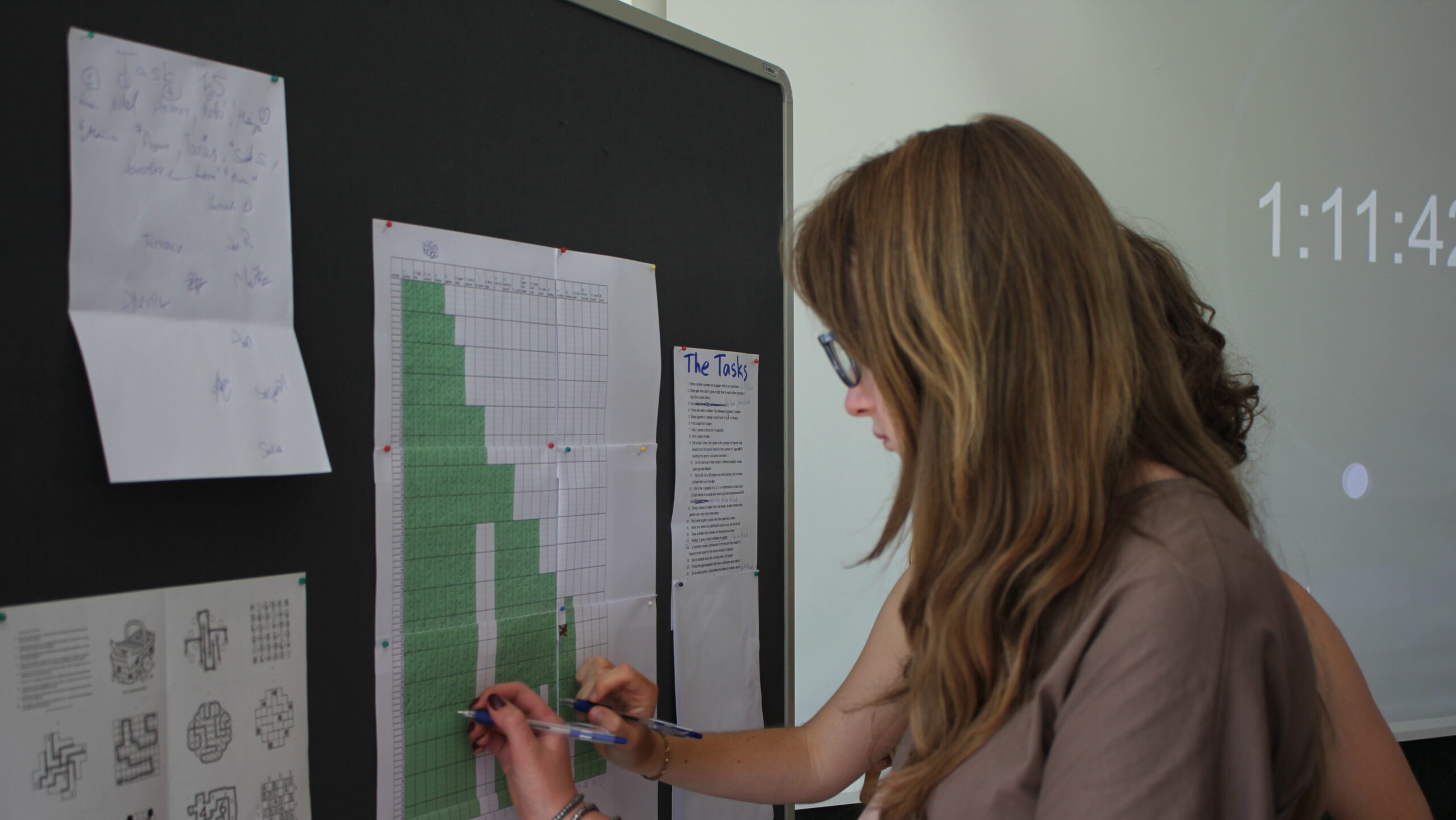
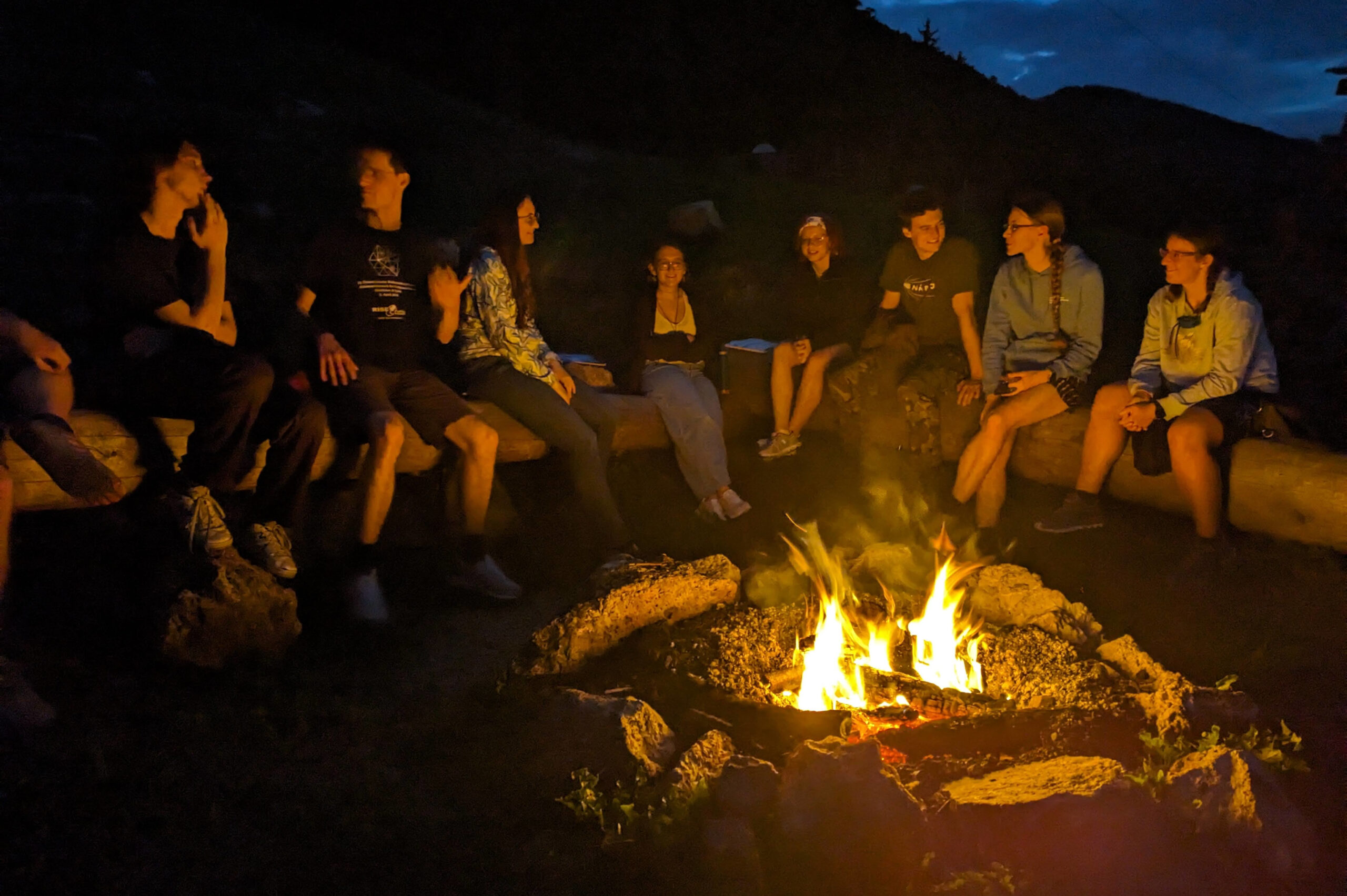
This is what a math camp looks like. Riddles, creativity, action, team work. See also our video from Math Camp 2024.




Our team

Josef Tkadlec
While in high school, Josef participated in 20+ math camps and since then he helped run 10+ more camps in Czechia (PraSe), USA (AwesomeMath) and Poland (MBL).
He did his PhD at IST Austria and after a postodctoral position at Harvard he became an assistant professor at Charles University in Prague.
He loves puzzles, team sports, and hiking. His friends call him Pepa (almost like the pig).
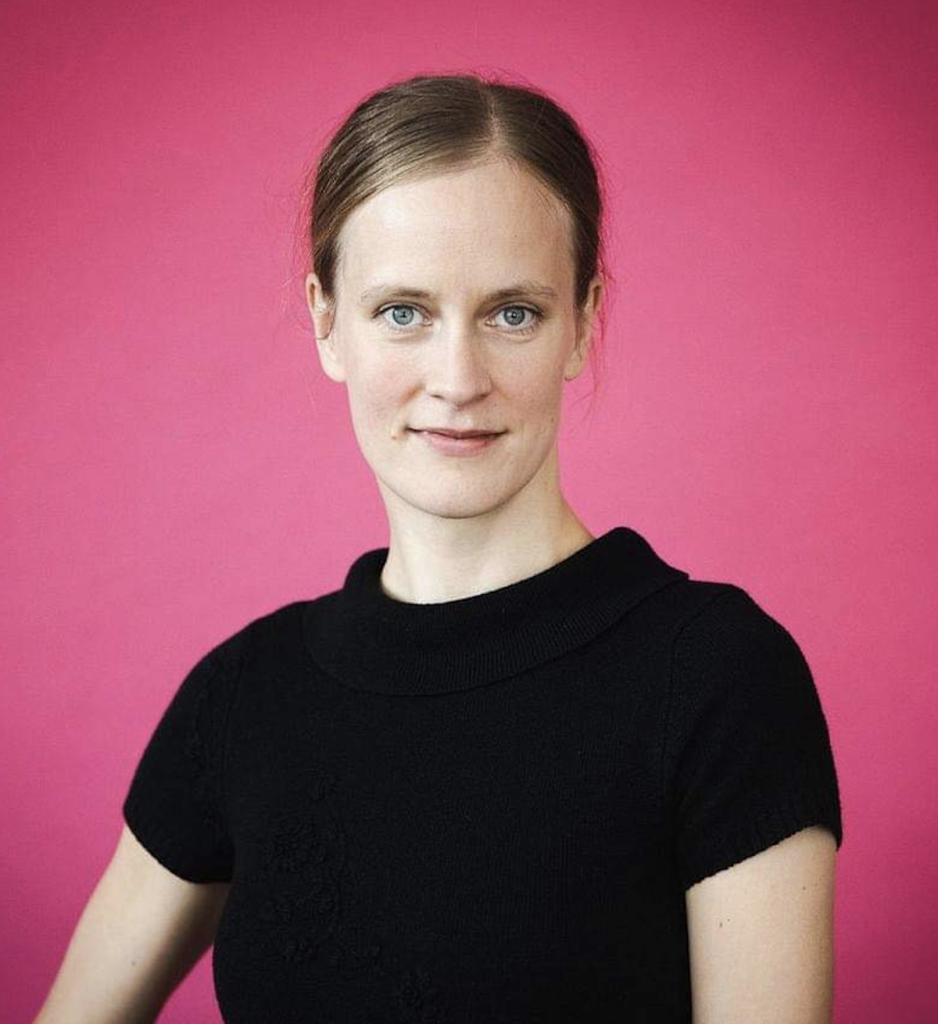
Zuzka Masárová
Zuzka studied Maths and Education with maths at University of Cambridge, followed by degrees in pure math and in cryptography at McMaster and University of Waterloo, Canada, to finally do her PhD at IST Austria.
Among others, she is a visiting lecturer at AIMS Ghana, she held a VISTA fellowship in science education and helped organize 10+ camps in Slovakia, Germany, Kenya and Ethiopia.
When she doesn't do math, she dances.
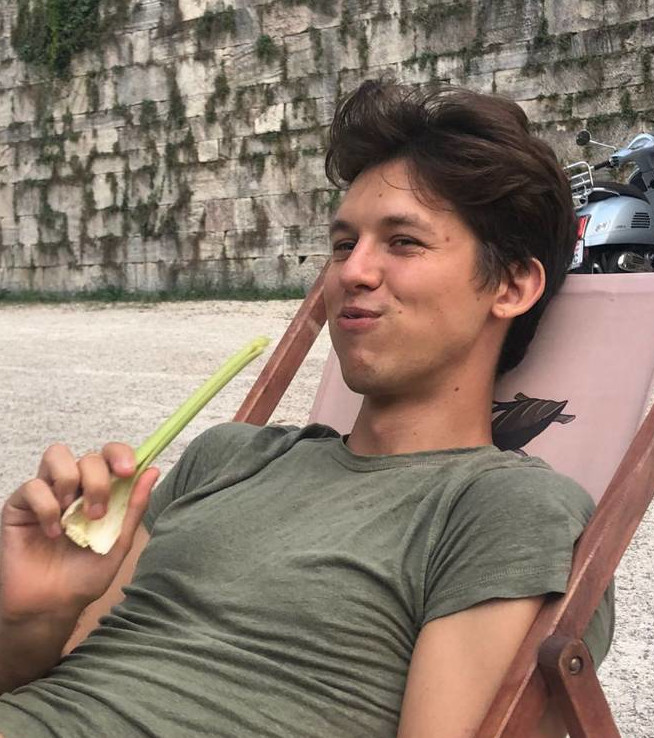
Moritz Hiebler
Moritz is a master's student at University of Vienna and regularly involved in the Austrian Maths Olympiad.
In Summer 2025, he got involved in the maths camp, made friends with the organizers and is now happy to contribute and help bringing the Math camp experience to Austria.
Beside of Maths, he is interested in a bunch of things, enjoying various kinds of arts, playing games, travelling, being in nature, and connecting with other people 🙂
In Summer 2025, he got involved in the maths camp, made friends with the organizers and is now happy to contribute and help bringing the Math camp experience to Austria.
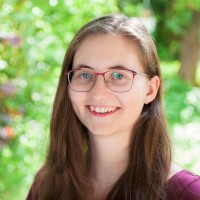
Teresa Heiss
Teresa grew up in Vienna, always excited about logical thinking, puzzles, and in general analysing problems and finding solutions. If a camp like this had existed in Austria back then, she would have loved to participate as a high school student.
After having studied mathematics at TU Wien, she is now finishing her PhD at IST Austria. In this international environment she met many amazing friends who told her about the fun math camps they attended during high school in Czechia, Slovakia, and so on. She realized that we need something like this in Austria, so she is very happy to join her friends in organizing this.
Apart from mathematics and computer science, Teresa also loves dancing and crocheting. In 2025 she will move to Australia for an exciting research fellowship.
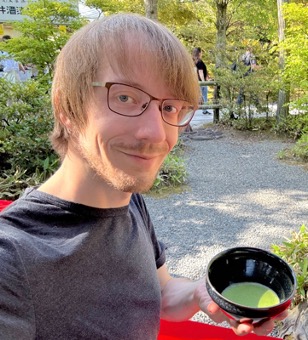
Ondřej Draganov
Ondra is a PhD student in mathematics at ISTA, where he moved after finishing Charles University in Prague. He is also interested in programming and applications of mathematics, in particular in biology, and fascinated by space exploration technology and astronomy.
In Prague he co-organised mathematical competition (MaSo). When time allows, he enjoys to relax playing board games with friends. In his natural habitat, you can often spot him with a cup of tea that always makes his day.
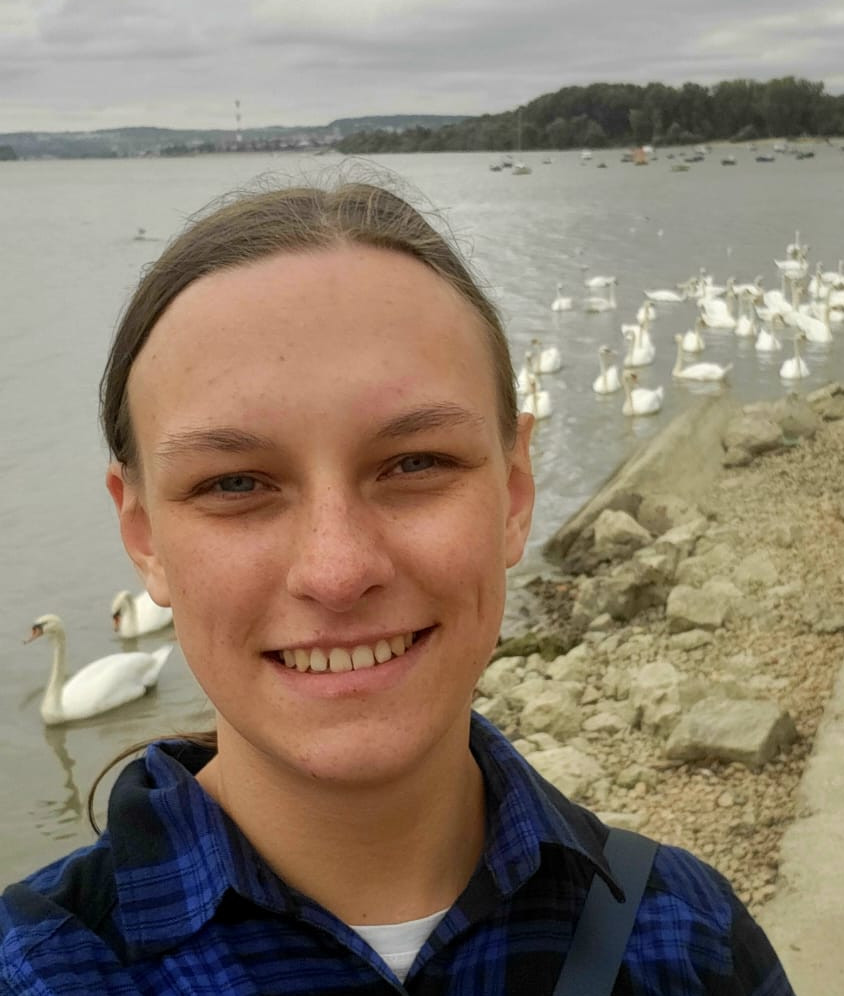
Ksusha Petukhova
Ksusha is a PhD student in biophysics at ISTA, after studying physics at the University of Vienna.
She took part in physics camps as a student and later went on to organize them. Besides physics and mathematics, she loves logic games and fantasy books.
Paul Hametner
Paul studied Mathematics at JKU in Linz and currently does his PhD at ISTA. Paul likes snakes.
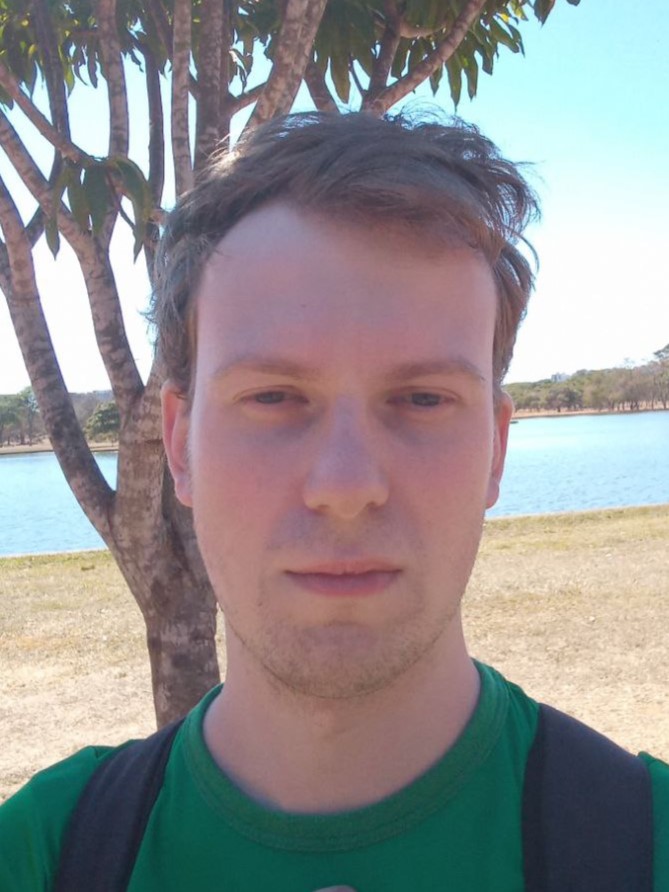
Alex Grebennikov
Alex is a math PhD student at IST Austria, studying randomness in discrete structures. Previously, he studied at IMPA in the jungles of Rio de Janeiro.
He was a coordinator at the IMO and helped organize several math events in Austria. In his free time, he enjoys cycling and playing board games.
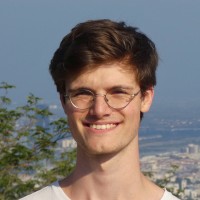
Daniel Holmes
Daniel studied Mathematics at the University of Cambridge in the UK and is currently a PhD student at the Institute of Science and Technology Austria (ISTA) working in geometry and topology.
As a high school student, he found his inspiration for mathematics at the Austrian Math Olympiad in Raach am Hochgebirge, to which he is now a regular contributor.
In his free time, he enjoys hiking and music, and is a member of multiple choirs.
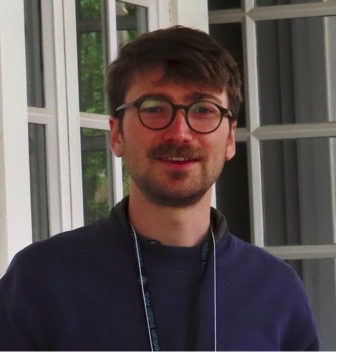
Simon Rella
Simon attended high school in Kirchberg am Wechsel (Lower Austria), before studying Astronomy and Physics in Vienna. He is currently a PhD candidate at the Institute of Science and Technology Austria (ISTA) in Klosterneuburg.
Simon says, join the camp.

Lenka Kopfová
Lenka is a PhD student in combinatorics at ISTA. Before that she studied informatics at Charles University in Prague.
She used to organize Czech math camps (PraSe) and competitions (Náboj, Math Olympiad).
She enjoys playing ultimate frisbee, hiking, and board games.
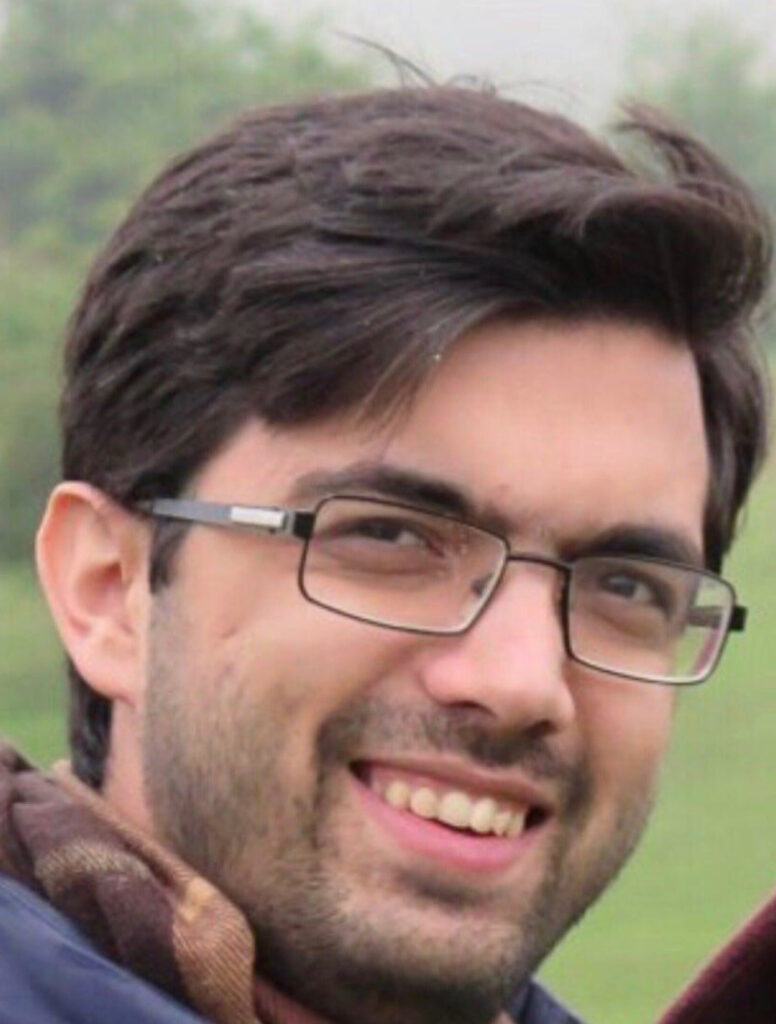
Morteza Saghafian
Morteza got his PhD in computer science at Sharif University of Technology in Iran and is now a postdoctoral researcher at the Institute of Science and Technology Austria (ISTA).
During his high school years, he got gold medal at the International Mathematical Olympiad (IMO) and since then he has organized more than 10 camps and math competitions in Iran and other countries. He also helps train the Austrian Math Olympiad team.
He enjoys sports, puzzles, board games and hiking.
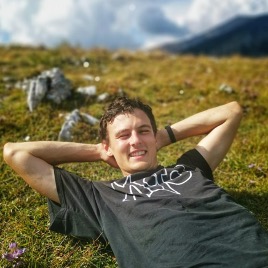
Jakub Svoboda
Jakub studied at Charles University in Prague and now he is a PhD student at ISTA. He likes to play games in his PhD and during his free time.
Except for playing games, in his free time, he reads and moves his body.
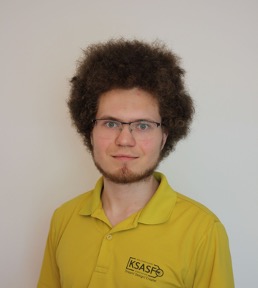
Pasha Arkhipov
Pasha is a PhD student at ISTA doing Computer Science.
During his high school years, he participated in some olympiads in astronomy and physics. Later, he helped to organize physics summer training camps.
Pasha enjoys playing ultimate frisbee and chess.
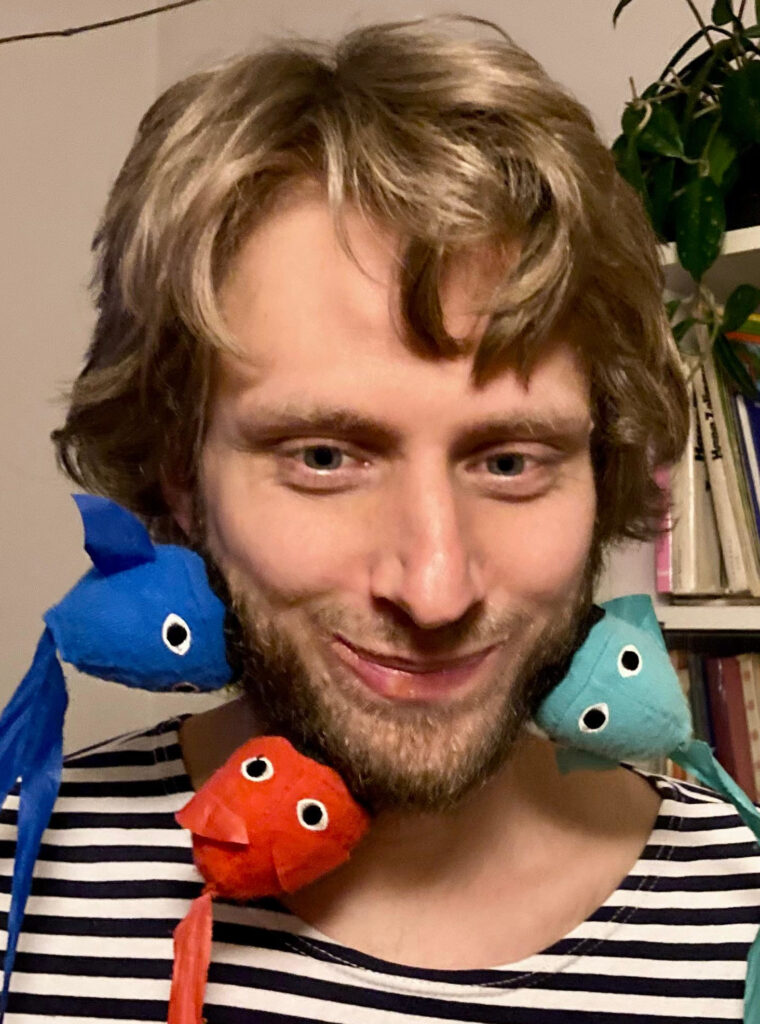
Georg Osang
Georg has co-organized maths camps for over a decade in Ethiopia, Kenya, Tanzania, Ghana and the UK and enjoys puzzles, climbing and adventuring in nature.
He is a graduate of IST Austria and now supports maths education projects in Africa and beyond as part of his work.

Maiia Dychuk
Maiia is from Ukraine and studies Physics at the Faculty of Physics at Karazin University. She represented Ukraine at the International Young Physicists’ Tournament (IYPT) twice and will now participate in the International Physicists’ Tournament (IPT). She is a Formula 1 fan and hopes to study automotive engineering in the future. She also enjoys organizing educational activities for teenagers.
Maiia is from Ukraine and studies Physics at the Faculty of Physics at Karazin University. She represented Ukraine at the International Young Physicists’ Tournament (IYPT) twice and will now participate in the International Physicists’ Tournament (IPT). She is a Formula 1 fan and hopes to study automotive engineering in the future. She also enjoys organizing educational activities for teenagers.
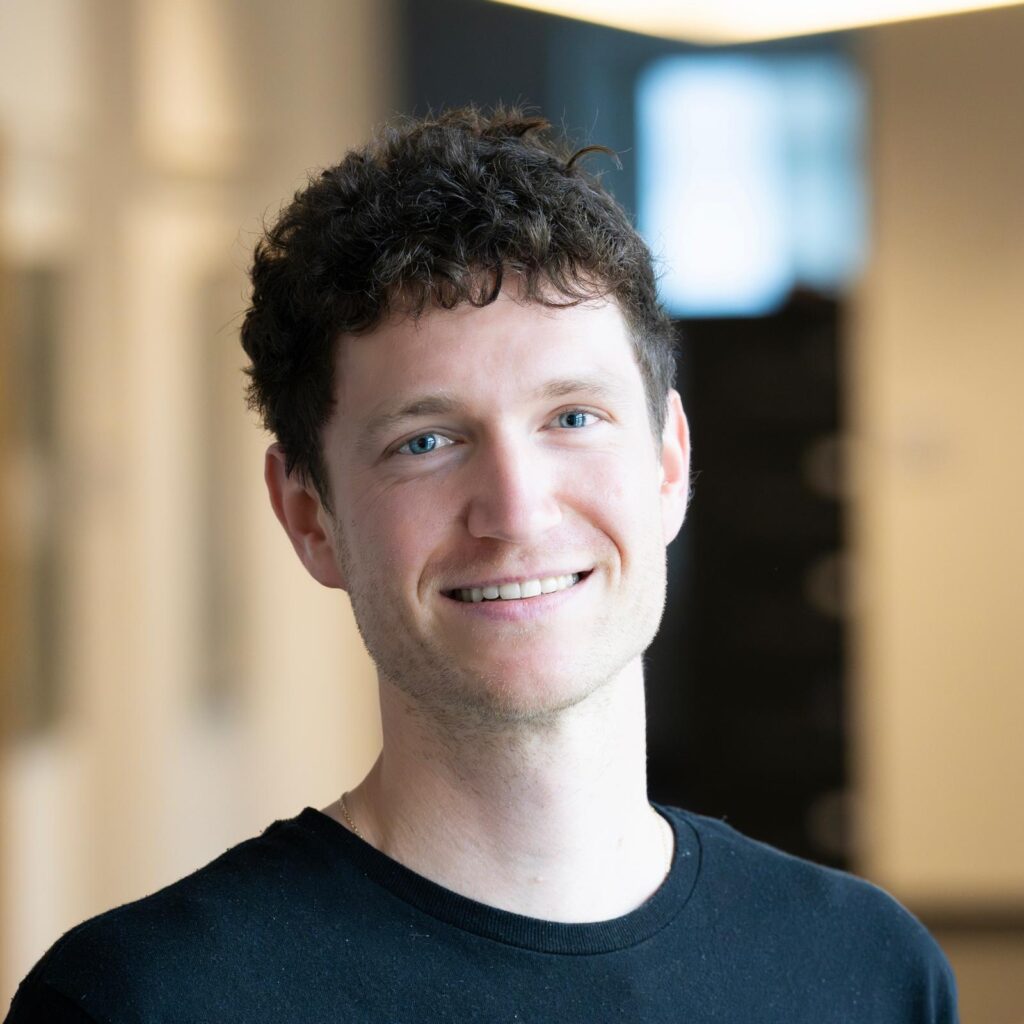
Jakub Bajzík
Jakub is a postdoctoral researcher at ISTA with a broad passion for science communication and education. His research lies at the intersection of computer science, biology, and mathematics, where he analyses molecular data and complex diseases. To recharge, he heads outdoors for sports and unwinds by playing the guitar.
Jakub is a postdoctoral researcher at ISTA with a broad passion for science communication and education. His research lies at the intersection of computer science, biology, and mathematics, where he analyses molecular data and complex diseases. To recharge, he heads outdoors for sports and unwinds by playing the guitar.
Frequently Asked Questions
Who can apply to attend Math Camp Austria?
The camp is for high-school students aged 14+ on the first day of the maths camp.
Am I automatically registered if I apply for the camp?
No. We will review applications and notify you if you've been accepted to the camp. In that case, you will receive an official invitation and an invoice for the participation fee. Once we receive your payment, you are officially registered for the camp.
When will I know that I've been accepted for the math camp?
The application deadline is 15 December, 2026 (Round 1). All applications received by 15 December will be reviewed by early January, and decisions will be communicated shortly afterwards. Depending on the available capacity, additional application rounds (Round 2 and/or Round 3) may open in January and/or February 2027.
What is included in the participation fee?
The fee includes accommodation, full board and program costs. However, travel costs to and from Raach are not included.
How much is the participation fee, and when is it due?
The participation fee for the 5-day camp in 2027 is €430. It is due to be paid two weeks after you've received the invitation for the camp.
I would like to take part in the camp but the participation fee is too high for me. Can anything be done about it?
We aim to offer a number of stipends to motivated students who would otherwise be unable to attend. Each stipend covers up to 50% of the participation fee. If you believe you qualify, please let us know in the application form. Stipends are awarded on a case-by-case basis, and the organizers reserve the right to request supporting documentation regarding your financial situation.
Is transportation to Raach before and after the camp organized for the students?
No, the camp starts and ends at Seminarzentrum Raach and it is up to the students and parents to organize the travel. However, we are happy to connect students who travel from the same location so that they can arrange their travel together.
How can I get to Raach by public transport?
A typical way to get to Raach is to take a train to Gloggnitz and after that it's a 14-min ride by bus to Raach. A good website to search for and book specific public transport connections is ÖBB.
What time does the program start and end?
On the arrival day (Sunday, March 21) we start with lunch at 12:00.
On the departure day (Thursday, March 25) we expect to end soon after lunch (to be confirmed).
Can I attend only part of the camp?
We expect all participants to attend the full duration of the camp to ensure the best experience for everyone.
What is the cancellation policy?
If you cancel more than 1 month in advance of the camp, we will refund 50% of the participation fee. If you cannot attend due to sickness, we will offer a refund, provided that we find a suitable replacement. In general we do not offer full refunds once the participation fee has been paid as we have to advance the accommodation and catering costs.
Is the language of instruction German or English?
The primary language during the camp will be English. However, German-speaking instructors will be on site to ensure that nobody is left behind. Some activities may also include a German translation alongside English text.
Can I apply/attend if I'm not Austrian?
Students of any nationality can apply (and attend if accepted). The camp is not limited to Austrian students.
However, please note that the camp is run according to Austrian regulations and these may differ from your home country.
I've missed the application deadline. Can I still apply?
Depending on the available capacity, additional application rounds (Round 2 and/or Round 3) may open after the first round of applications has closed. We may also offer a waitlist for spots that open up on short notice due to cancellation.
Partners